
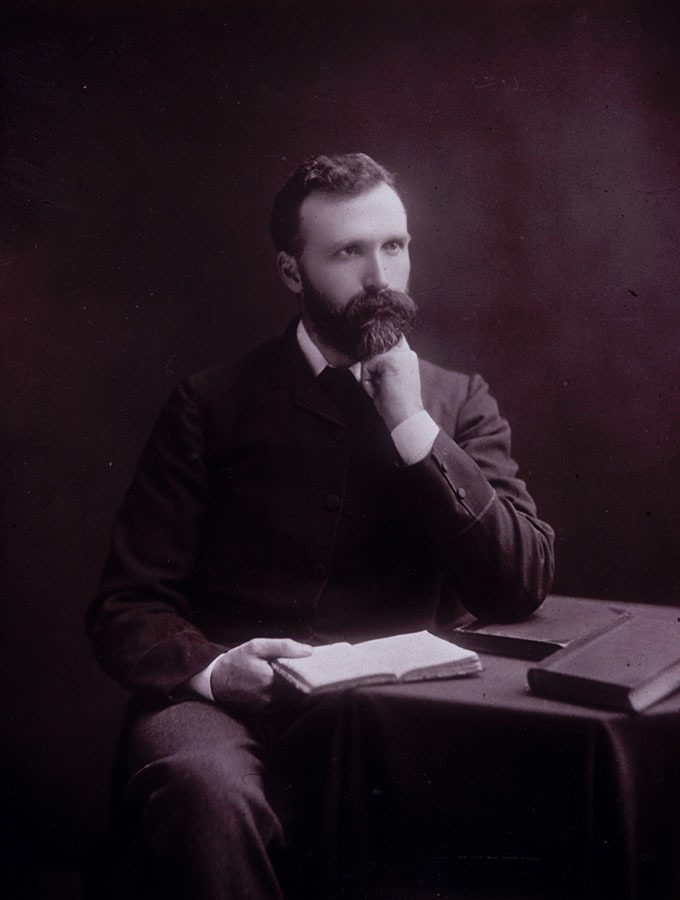
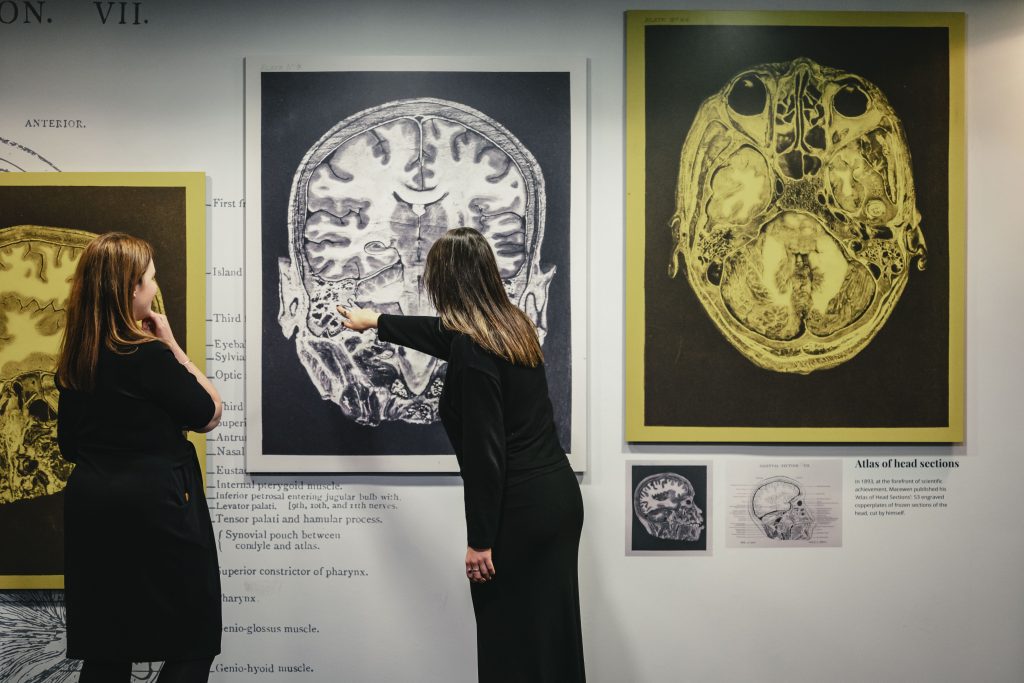
William Macewen: At the Cutting Edge, which opened on 13 September, showcases treasures from the College’s archive including rarely seen journals, letters and photographs alongside instruments Macewen used to carry out his ground-breaking procedures.
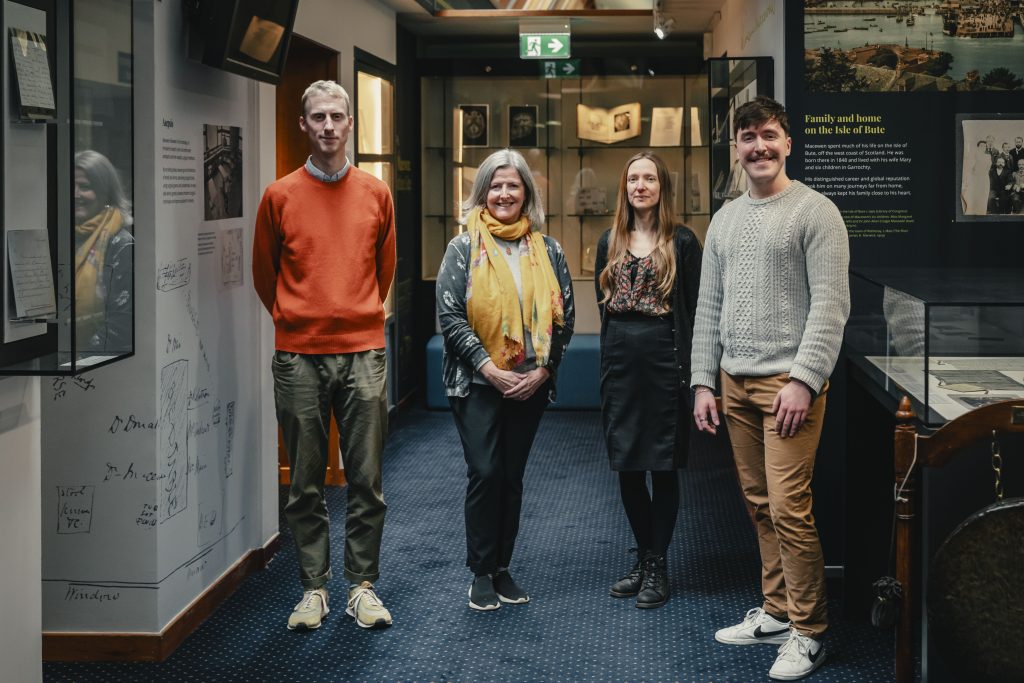
Dr Liz Murphy, the College’s Honorary Librarian, said: “Sir William is best-known as the first surgeon to successfully remove a brain tumour when he operated on teenager Barbara Watson in 1879 – before X-ray imaging was available. However, his other lesser-known procedures also played a pivotal role in medical advancement, including many we take for granted today.
“The fight against tuberculosis was a central theme in the British medical world throughout the 19th and early 20th centuries. Macewen’s method to surgically remove a lung or part of the lung as a treatment for the disease, as well as for forms of lung cancer, is credited as saving many patients’ lives. He also developed the surgical method to treat and repair hernias, a routine operation today.
“His many successes in surgical advancement manifested from his development of asepsis, involving disinfection of hands and arms, sterilising tools and wearing surgical gowns and gloves. These principles were adapted from antiseptic surgery pioneered by College Fellow, Joseph Lister, whom Macewen trained under at the University of Glasgow.
“He also showed great support to nursing profession, recognising their crucial role in patient care and recovery.
“William Macewen is undoubtedly one of medicine and surgery’s great unsung heroes and his legacy lives on around the world.”
Born near Rothesay on the Isle of Bute in 1848, Macewen kept a house on the island in Garrochty with his wife and six children later in his life. He qualified with a medical degree from the University of Glasgow in 1872.
In 1874 he became a Fellow of the Faculty (now Royal College) of Physicians and Surgeons of Glasgow and was awarded with an Honorary Fellowship in 1913.
Claire McDade, the College’s Heritage Lead, said: “As we move towards the College’s 425th anniversary in November, it’s fitting that we celebrate the great innovators, past and present, and their impact on patients around the world.
“Revealed 100 years after his death, our new exhibition serves to reflect Macewen’s lasting legacy as the ‘father of neurosurgery’, and his role in solidifying Scotland as a hub of medical innovation.
“Despite his incredible work, many people have not heard his name. We are delighted to be opening our doors to share his story.”
The College welcomes members of the public in to learn more and visit the exhibition at this year’s Glasgow Doors Open Day festival on 21 September.